

Understanding The Importance Of Acoustic Ceilings
Balancing Sound for Comfort
Acoustic ceilings play a crucial role in creating comfortable indoor environments. Without proper sound absorption, even minor noises can become disruptively loud and uncomfortable. This is where acoustic ceilings come in, offering a solution to poor sound quality in buildings. Natural environments, like forests, often provide ideal acoustic balance. Acoustic ceilings aim to replicate this balance indoors. By installing acoustic ceilings, you can achieve a similar effect, reducing echo and creating a more pleasant auditory experience.
However, it's important to note that too much sound absorption can also be problematic. Excessive absorption, comparable to speaking into a pillow, can muffle sound to the point where communication becomes difficult. This is why professional acoustic ceiling design is essential.
Acoustic ceilings offer a middle ground, absorbing enough sound to reduce noise and echo, while still allowing for clear communication. They're particularly beneficial in open-plan offices, classrooms, and public spaces where noise control is crucial. When considering acoustic ceilings, factors like the room's size, purpose, and existing acoustics should be taken into account. Properly installed acoustic ceilings can significantly improve sound quality, creating a more comfortable and productive environment.
Investing in quality acoustic ceilings can transform your space, balancing sound absorption for optimal acoustics. Whether for work, education, or leisure, acoustic ceilings contribute to a better auditory experience in any indoor setting.

What Is Good Acoustic Comfort?
In a room with poor acoustic performance, sounds will reverberate constantly – creating an unpleasant and uncomfortable acoustic environment, due to the long reverberation time.
But with the acoustic performance of perforated gypsum, rooms benefit from a pleasant, comfortable atmosphere, ideal for productive workplaces, due to the optimum level of absorption and reflection.

What’s The Secret Behind Gyptone®?
This video gives a short introduction to how an acoustic gypsum ceiling actually works and how it can create a more pleasant acoustic environment.
Reverberation Time: The Key to Perfect Acoustics
Have you ever wondered why some rooms sound crisp and clear, while others seem echoey and muddy?
The secret lies in a crucial acoustic property called reverberation time. In this interactive guide, we'll explore what reverberation time is, why it matters, and how it affects the sound in different spaces.
What is Reverberation Time?
Reverberation time, often abbreviated as RT60, is the time it takes for a sound to decay by 60 decibels after the source has stopped. It's measured in seconds and plays a vital role in how we perceive sound in any enclosed space.
Listen and Compare
To truly understand the impact of reverberation time, nothing beats hearing it for yourself. We've prepared three audio samples to demonstrate different reverberation times:
Reverberation Time: 0 Seconds
This sample represents an anechoic chamber or a completely "dead" room. Notice how the sound stops abruptly with no lingering echoes.
Reverberation Time: 0.5 Seconds
This moderate reverberation time is typical in well-designed living rooms or small auditoriums. It adds a pleasant spaciousness without muddying the sound.
Reverberation Time: 2 Seconds
This longer reverberation time is common in large halls or churches. While it can add grandeur to music, it may make speech less intelligible.
Why Reverberation Time Matters
The right reverberation time can:
- Enhance musical performances
- Improve speech clarity in lecture halls
- Create a sense of intimacy or spaciousness in a room
- Affect productivity in office spaces
Conversely, incorrect reverberation times can lead to:
- Reduced speech intelligibility
- Muddy or unclear music
- Increased noise levels in open-plan offices
- Fatigue and decreased concentration

Ensure Good Speech Clarity In Classrooms
Good acoustic comfort is the ideal acoustic environment, due to an appropriate acoustic reverberation time and high speech clarity.
A sound-regulated environment, where some sound waves are reflected while others are absorbed, ensures good speech clarity.
Good speech clarity is equally important in classrooms, where it is important to deliver a message from one person to another. Especially in a classroom, where students sitting at the back need to hear the teacher just as clearly as those sitting at the front. This is vital to students’ ability to learn, as has been proven in many studies.
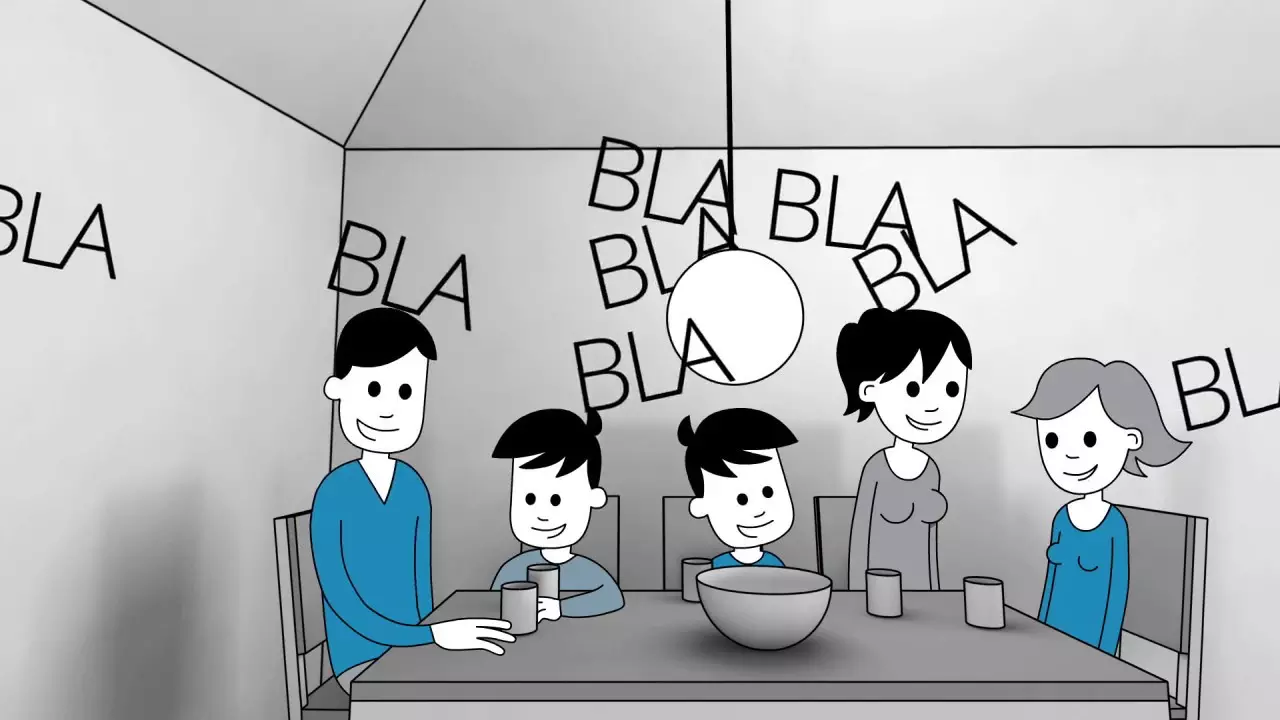
Better Sound At Home
Many modern homes are noise-ridden because of ‘hard walls’ and sparse furnishings. Using acoustic ceiling boards creates a calm and pleasant sound environment, where speech is more easily understood.

Improve Sound Environment
Noisy, open-plan offices increase sick days among staff. Research shows this is a particular problem where many people sit together.
One American study found that in open-plan offices with more than six people, absenteeism was 62 per cent higher. Gyptone® acoustic ceilings can improve the sound environment in offices.